More eyes.
More evidence.
Fewer unknowns.
UrsiQ is designed around a simple premise: wildlife monitoring becomes more useful when you can observe more of the field, more of the time—and intelligently reduce all of that information to the moments that actually matter.
When a bear appears near a school, a trail or a community, the next decision matters. UrsiQ keeps watch and turns fleeting activity into clear evidence—helping you understand what’s happening and decide what to do next.
From the first camera image to the alert on your phone, every part of UrsiQ works together. Intelligent cameras and local processing gather and assess activity in the field; UrsiQ Core connects those observations with deeper analysis, notifications and a lasting record. Explore how that system helps you see more, miss less and keep watching when conditions change.
MORE.
Video sees what a still image can’t.
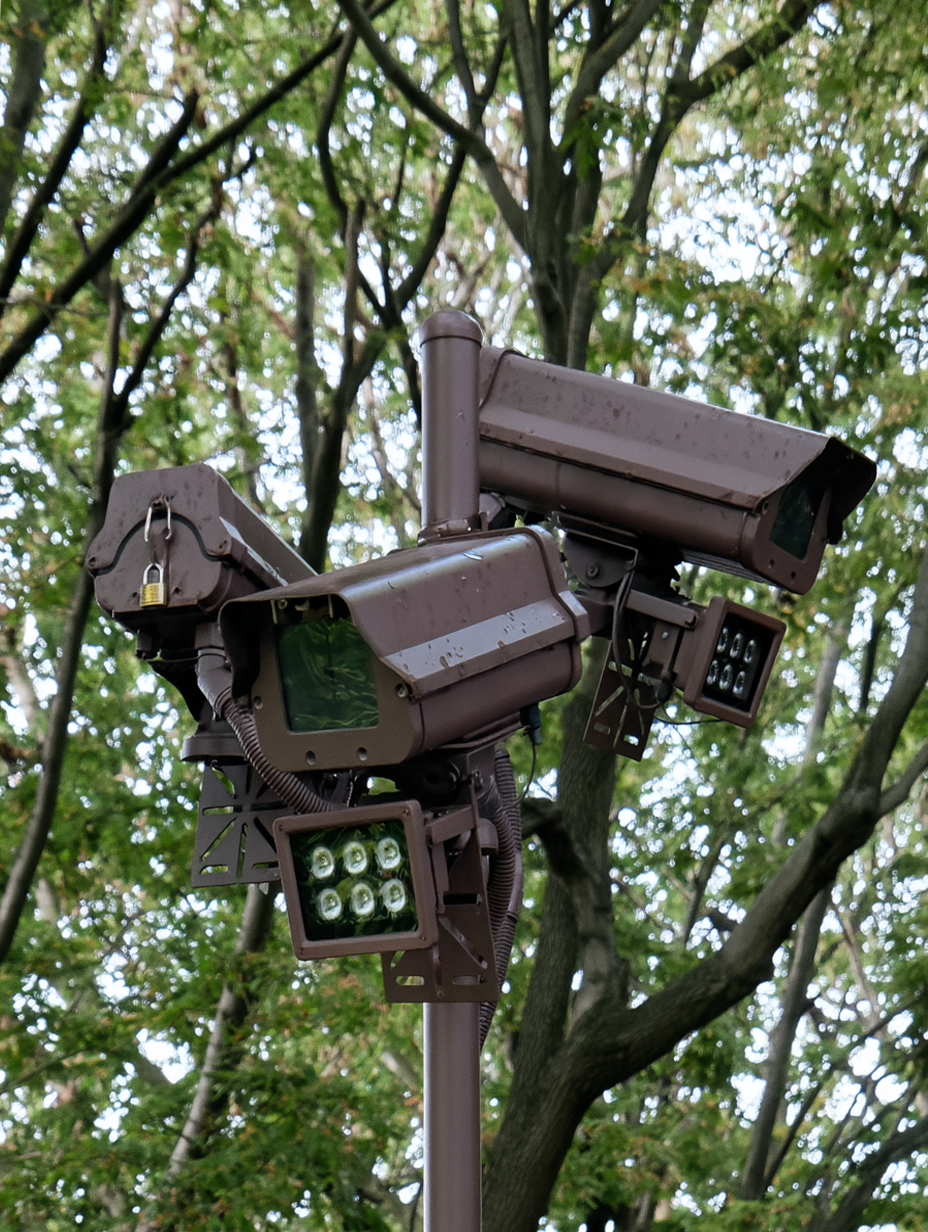
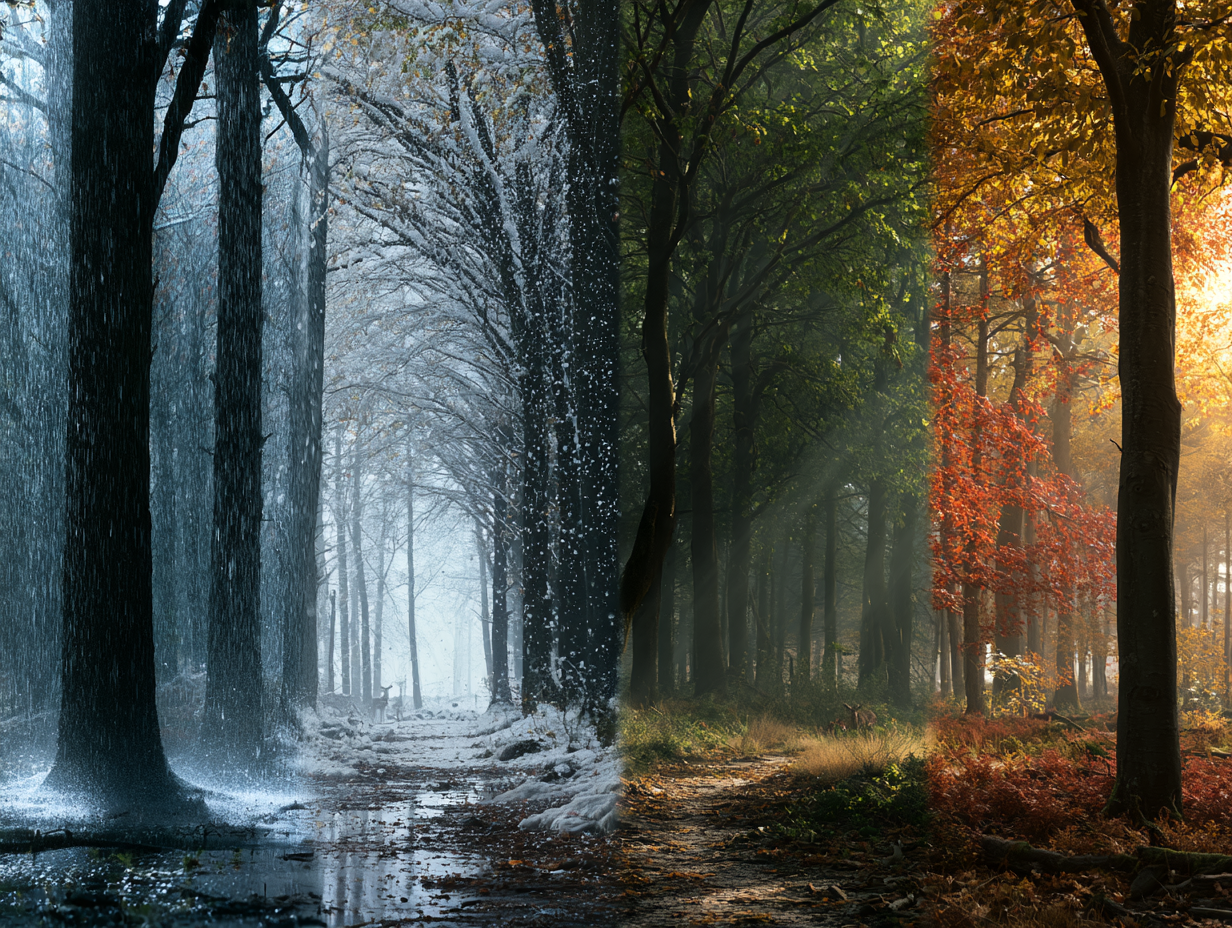
Wildlife doesn’t arrive on a schedule. UrsiQ cameras watch continuously and without compromise, maintaining a relentless visual record through changing light, weather and activity. The goal is to cast the widest practical net: capture the still images and video that may matter before a fleeting moment can disappear.
A still image can be persuasive—and wrong. What appears to be an animal may reveal itself in motion as nothing more than a patch of windblown vegetation. What looks like an unremarkable shadow may, across the surrounding frames, resolve into a momentary glimpse of a bear moving behind dense foliage. Video supplies the before, the after and the movement between them.
UrsiQ treats that video as evidence to be analyzed, not simply footage to be stored. Our proprietary approach brings multiple streams of data together, assessing still imagery and video in context to build a stronger basis for each determination. Movement and the surrounding moments help clarify what a fleeting image alone may leave uncertain. That context helps UrsiQ distinguish real wildlife activity from misleading appearances and recognize encounters that are difficult to judge from a single frame.
One frame suggests. Video reveals.
Every site deserves its own approach.
A camera looking across a windswept coastal field has different needs from one looking into a dark forest. IntelliSense is part of UrsiQ’s approach to dependable observation, with operation optimized for the site.
Each installation has its own views, conditions and monitoring priorities. UrsiQ’s proprietary software automatically assesses local conditions and accounts for those differences, optimizing operation for the site so that the system continues to deliver useful information throughout long-term use in the field.
Each camera can also be tuned specifically for its site. We refine the installation around the views, conditions and monitoring priorities that matter to you, and adjust it as those needs change.
LESS.
Wildlife doesn’t pose for the camera.
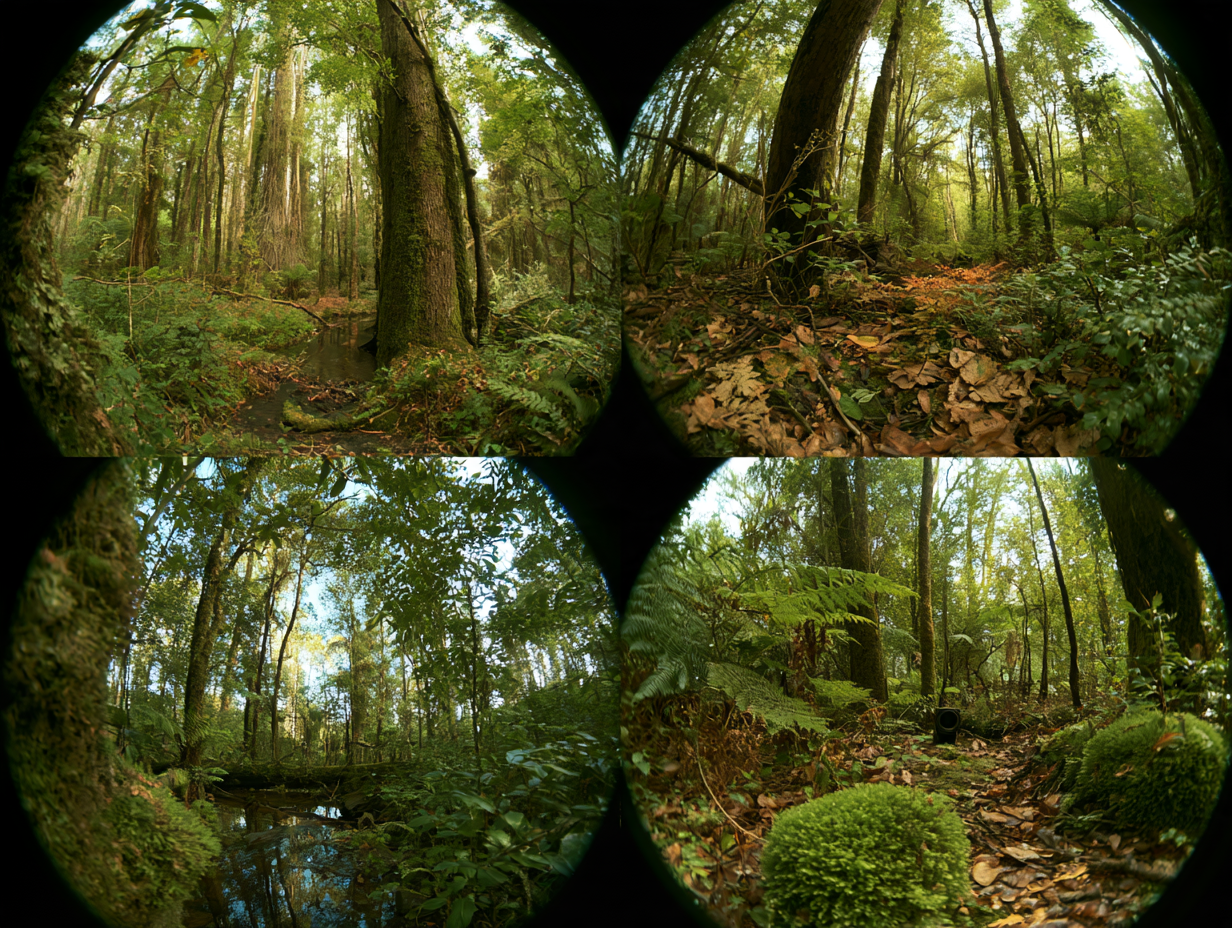
UrsiQ compensates with persistence. A typical three- or four-camera installation can examine hundreds of thousands of image samples every day while simultaneously maintaining continuous video coverage.
UrsiQ keeps watching while observations are analyzed, preserving the movement around each moment. That persistence helps retain the brief, imperfect or distant encounter—and the surrounding context that makes it easier to understand.
From “something moved” to “this matters.”
A movement in the trees doesn’t always mean wildlife, and a brief glimpse doesn’t always tell the whole story. UrsiQ assesses the available evidence to give customers a clearer account of what was seen, with supporting imagery and video that make an observation easier to understand.
The result is persistent observation with selective, useful alerts—more awareness, without a stream of unnecessary interruptions.
4,302,179 — Images captured and analyzed by Mark III. Manually flagged false positives: 10. False-positive rate per image: 0.000232%. The rate is the number of manually flagged false-positive records divided by all images captured and analyzed. Figures as of 2026-09-29 07:51 (Japan time).
The purpose is simple: keep watching, and tell you when it matters.
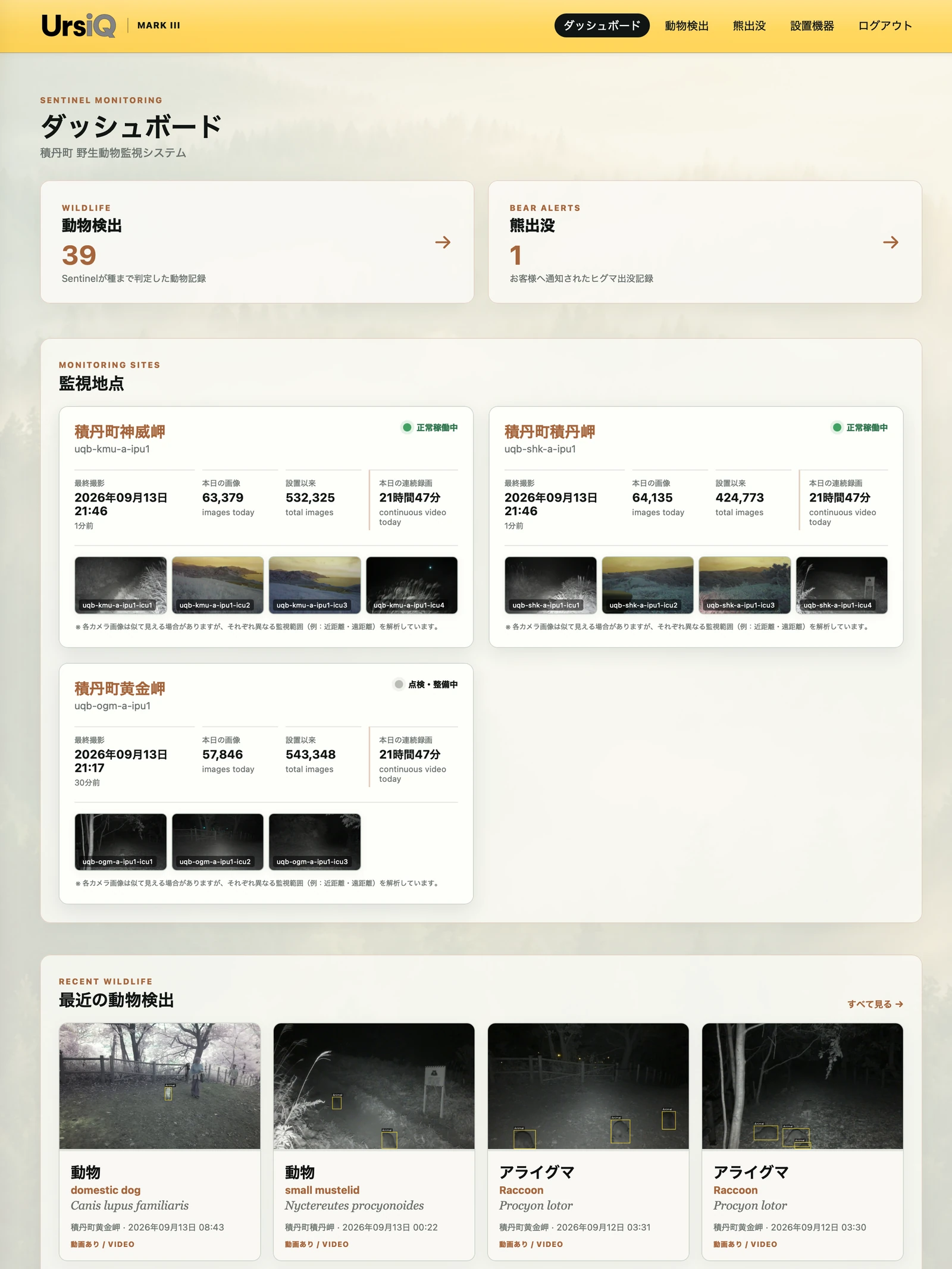
From field capture to useful information in seconds.
When an observation requires attention, UrsiQ carries it from field evidence through identification and notification inside one coordinated system. Under normal operating conditions, alerts can reach customers within seconds of identification.
The customer-facing interface presents the result rather than the machinery behind it: wildlife sightings, marked still images, encounter video, alerts, site status and current camera views. Notification policies can be configured for the customer and the application.
UrsiQ is equally comfortable looking for a single priority species or several species at once. The same platform can also be configured to identify people or vehicles when a site has security or property-monitoring requirements.
Detections are fleeting. But data is forever.
Every significant wildlife encounter becomes a useful record, with its location, timing, identification and supporting evidence kept together. It gives customers something they can return to, compare and build on long after the initial sighting.
Over time, that turns UrsiQ into more than an alerting system. It creates a growing wildlife record that can support seasonal comparisons, movement analysis, site planning, research and future analytical tools.
The original imagery and video remain connected to the observation, preserving a human-readable record alongside machine-generated data. A connected history makes it possible to review an encounter and its alerts after the fact.
Use the infrastructure you have.
UrsiQ is designed to operate across the spectrum from a fully connected commercial-power site to an isolated field installation with no permanent network connection.
AC + Wi-Fi
With commercial power and network access, UrsiQ operates continuously at full capacity with live synchronization to UrsiQ Core.
Solar or battery + cellular
Remote installations can retain full-capacity monitoring and server connectivity using local power and mobile data.
Local processing
UrsiQ can continue monitoring locally and synchronize accumulated observations when connectivity becomes available. Stored data can also be retrieved manually.
Field hardware is designed around simple, robust installation on standard tankan pipe. A typical installation is light enough to reposition without specialized lifting equipment, making it practical to adapt coverage as wildlife patterns or site requirements change.
WATCHING.
Robust monitoring, no matter what.
Remote systems shouldn’t assume that the network will always be there. UrsiQ is designed to keep useful monitoring available through interruptions and changing field conditions, preserving evidence when a site temporarily loses its connection.
Field + Core
Connected monitoring, current observations and timely alerts.
Local
Monitoring continues at the site, with evidence retained for later review.
Endurance
UrsiQ helps preserve useful monitoring when operating conditions become challenging.
Recovery
Retained observations become available as the connection returns, and connected services resume.
Loss of connectivity merely changes how UrsiQ works. Where other systems falter, UrsiQ takes interruptions in stride and keeps monitoring.
THAN
BEARS.
One platform, many jobs.
UrsiQ began with brown-bear public safety, but its architecture is intentionally flexible. Species, notification policies and operating priorities can be configured around the job rather than around a single fixed use case.
Public safety
Bear monitoring around communities, schools, roads and public facilities.
Tourism
Evidence for decisions about trails, parks, viewpoints and visitor facilities.
Agriculture
Monitor bears, deer, raccoons and other wildlife around fields and livestock.
Property
Wildlife, person and vehicle detection for remote facilities and equipment.
Research
Persistent, structured wildlife observations with retained imagery and video.
Wildlife management
Long-duration observation of species presence, movement and behavior.
The people who build it are the people who improve it.
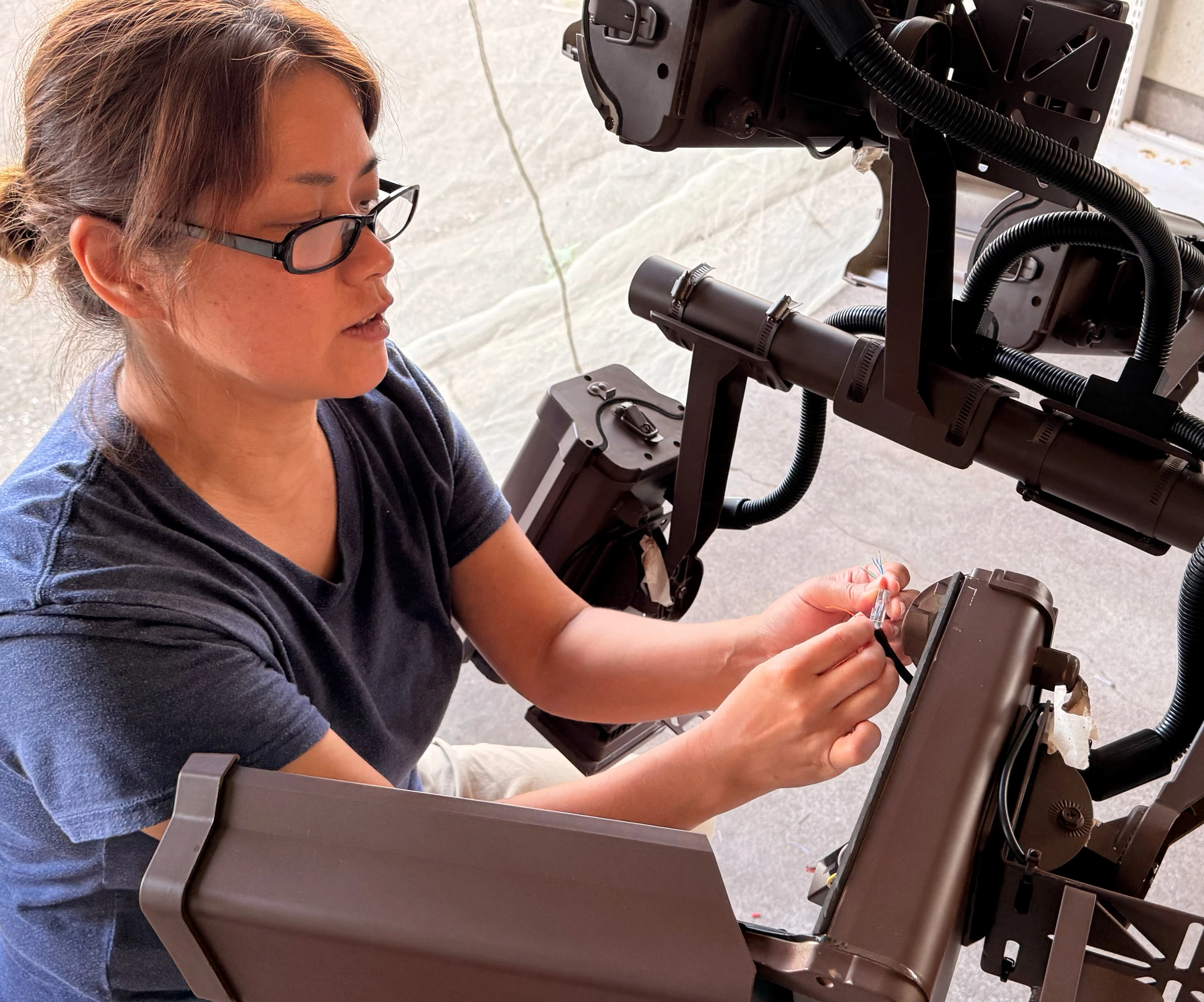
UrsiQ is developed and built in Hokkaido in the same kinds of environments where it’s expected to work. That means ruggedness isn’t an abstract laboratory requirement; weather, wind, cold, darkness, vegetation and difficult field access are part of the design process.
Verbium develops the field hardware, software, UrsiQ Core and customer interface as one coordinated system. Improvements don’t have to travel through layers of unrelated suppliers, and customers have unusually direct access to the people making the product.
That also makes UrsiQ unusually adaptable. If an installation needs something the platform doesn’t do today, our first question is often not “Is that supported?” but “Would that make UrsiQ better?”
Our ability to evaluate and incorporate leading-edge image-processing and AI technology from the United States helps us turn new advances into practical improvements for customers. We bring that technology together with firsthand experience of Hokkaido and rural Alaska, and the direct support of the people who build the system.
More observation.
Less uncertainty.
UrsiQ combines persistent field coverage with carefully assessed observations so that customers can focus on the information that matters. The complexity remains inside the system. The evidence comes out the other side.
Ask about UrsiQ for your site →